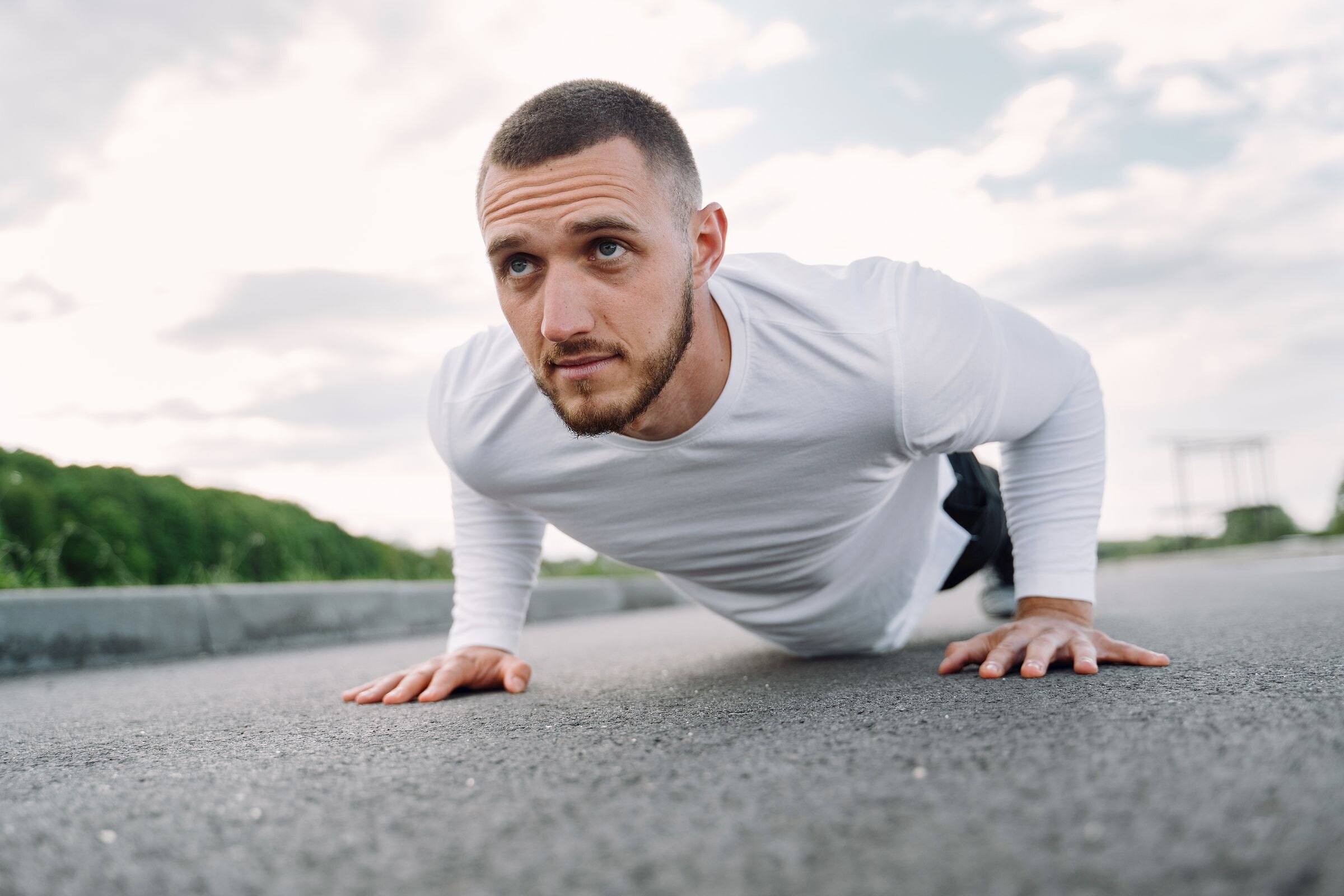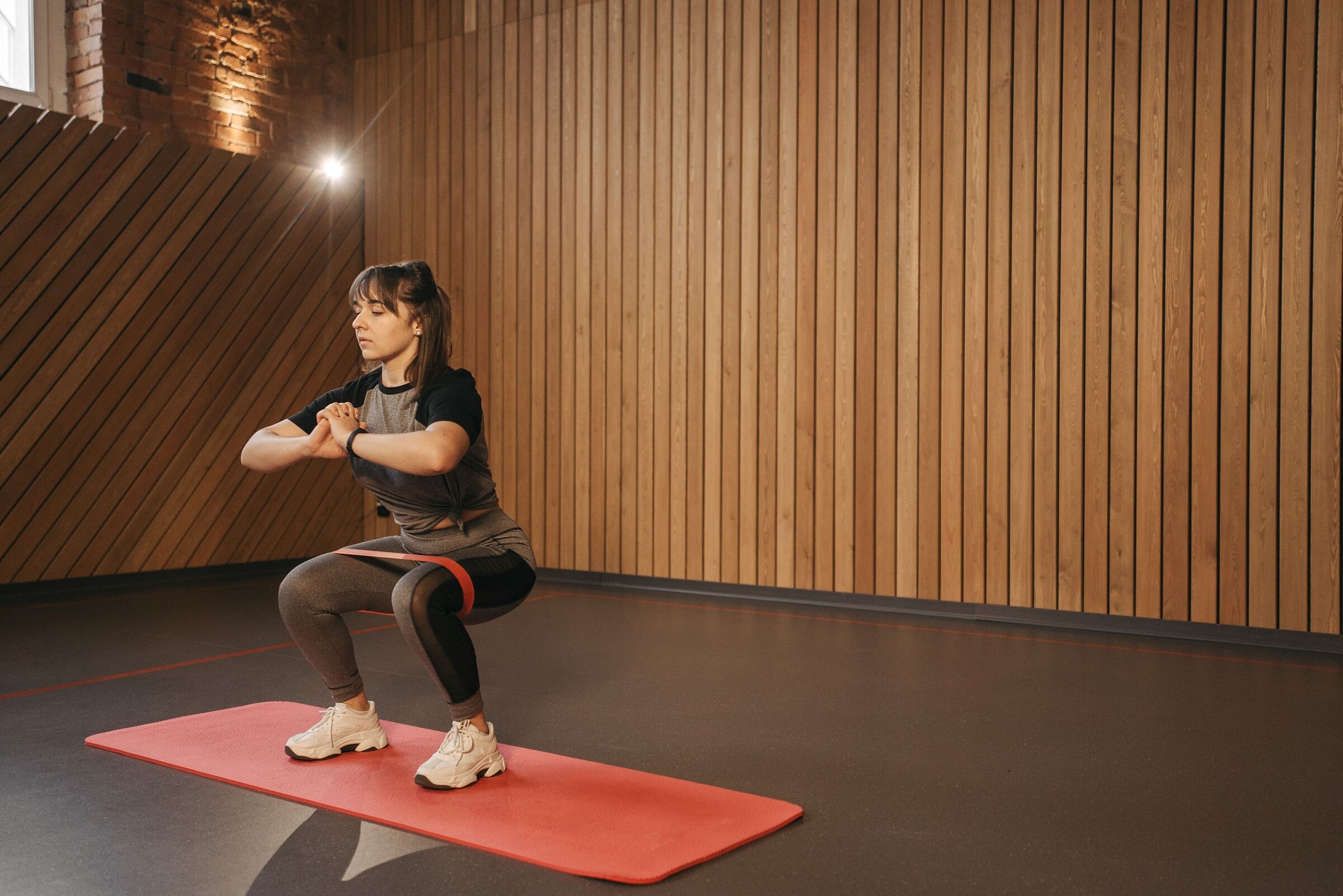
The hardest part of exercising at home is starting, and the second hardest is not stopping after two weeks. This plan is built for both. It takes four weeks, needs no equipment, and asks for three short strength workouts a week plus some walking. By the end, you will be doing the amount of exercise that health guidelines recommend and you will have a routine that feels normal.
Before you start
Exercise is safe for most people, and the risks shrink as you become fitter. The American College of Sports Medicine bases its screening advice on three questions: how active you are now, whether you have heart, metabolic or kidney disease or symptoms of it, and how hard you plan to exercise.[1]
You will need about two by two meters of floor, a sturdy chair, a towel, a mat or carpet, and a timer on your phone.
Before your first workout, write down three numbers: how many squats and how many push-ups (any version) you can do with good form, and how long you can hold a plank. You will test them again at the end of week four.
How much exercise do you need?
The World Health Organization recommends that adults do 150 to 300 minutes of moderate aerobic activity a week and muscle-strengthening activity on two or more days.[2] The CDC's version is similar: at least 150 minutes of moderate activity and two days of strength work that covers the legs, hips, back, abdomen, chest, shoulders and arms.[3]
That can sound like a lot when you are starting from zero. You do not need to hit it in week one. This plan builds up to it in four weeks.
How the plan works
- Two full-body workouts, A and B, which you alternate from session to session.
- Three strength sessions a week from week two, on non-consecutive days such as Monday, Wednesday and Friday.
- 8 to 12 reps per set for most exercises, the range the ACSM recommends for novices, who it advises to train two to three days a week.[4]
- Moderate effort. End each set with two or three good reps left in the tank. There is no need to push to your limit in the first month.
- Walking on other days, building up to 150 minutes a week.
| Week | Strength sessions | Sets per exercise | Walking |
|---|---|---|---|
| 1 | 2 (for example Monday and Thursday) | 2 | 3 walks of 15 minutes |
| 2 | 3 (Monday, Wednesday, Friday) | 2 | 3 walks of 20 minutes |
| 3 | 3 | 3 | 4 walks of 25 minutes |
| 4 | 3 | 3, trying harder versions | 5 walks of 30 minutes |
Alternate the workouts: in week one do A then B, in week two A, B, A, in week three B, A, B, and so on.
Warm up first
Start every session with five minutes of easy movement: marching or jogging in place, arm circles, and a few slow, shallow squats. Warm-ups are worth the time: in a meta-analysis, warming up improved performance in most of the outcomes studied.[5]
Workout A
-
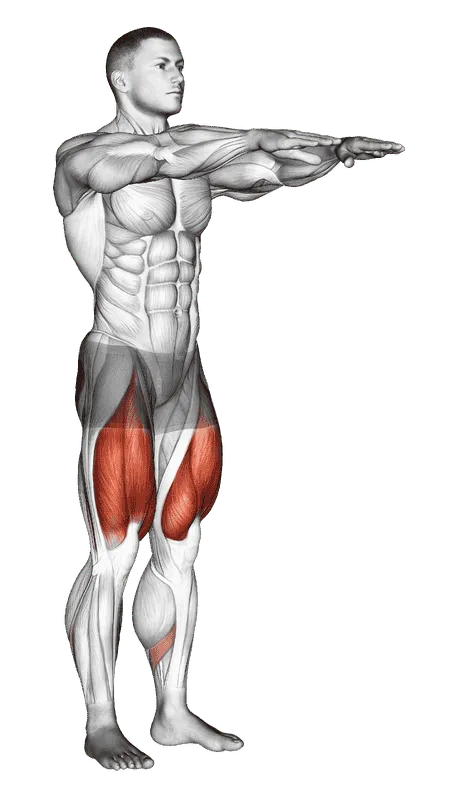
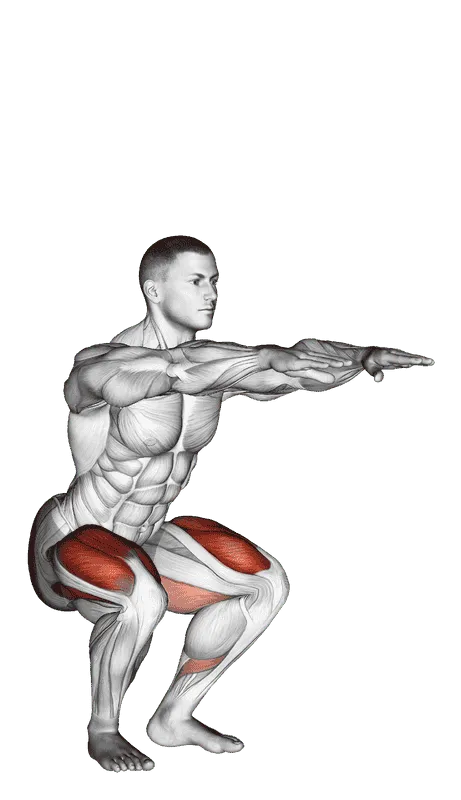
1 Bodyweight Squat - Sets
- 2–3
- Reps
- 8–12
- Rest
- 60 s
-
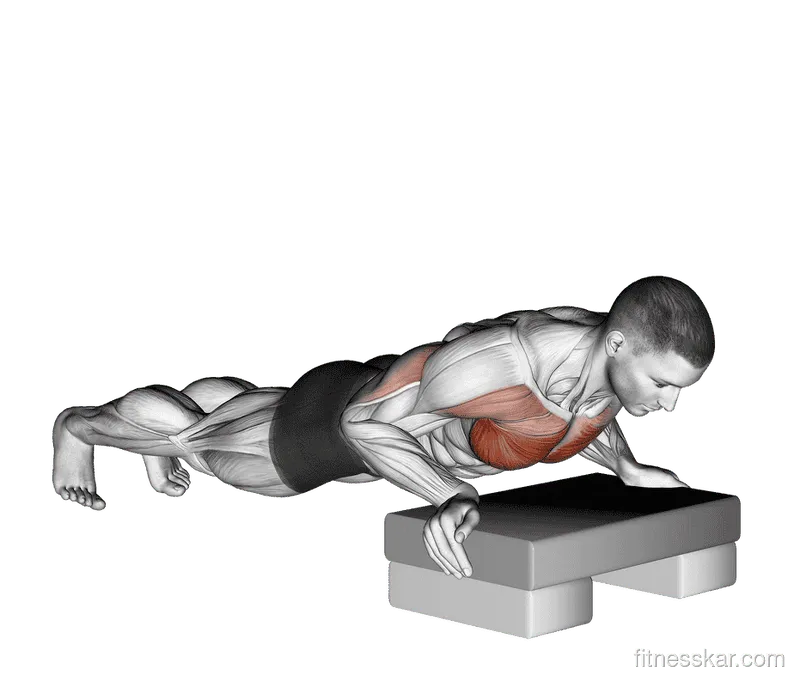
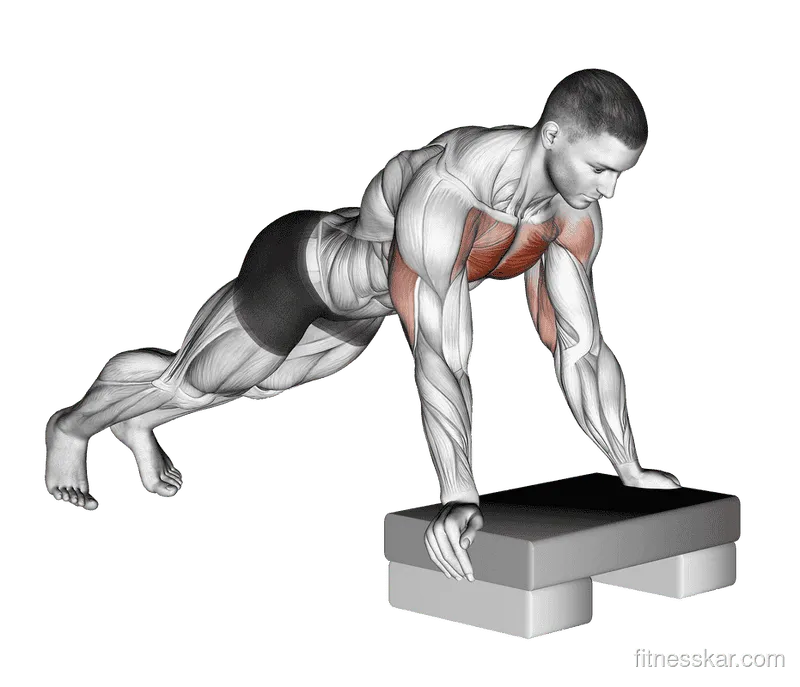
2 Incline Push-Up - Sets
- 2–3
- Reps
- 8–12
- Rest
- 60 s
-
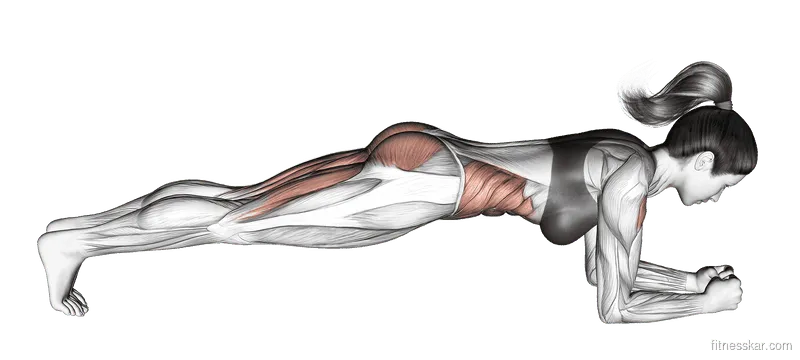
3 Hip Raise/Bridge - Sets
- 2–3
- Reps
- 10–12
- Rest
- 60 s
-
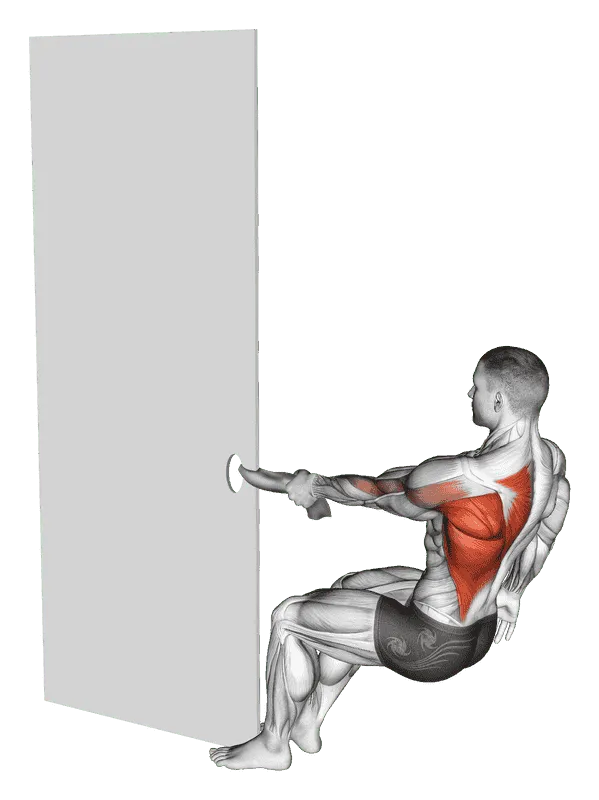
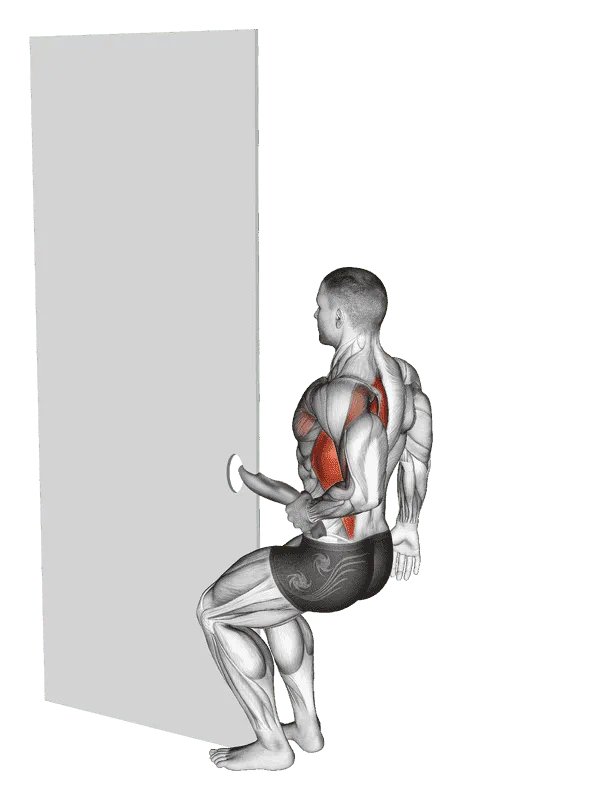
4 One-Arm Towel Row - Sets
- 2–3
- Reps
- 8–12
- Rest
- 60 s
-
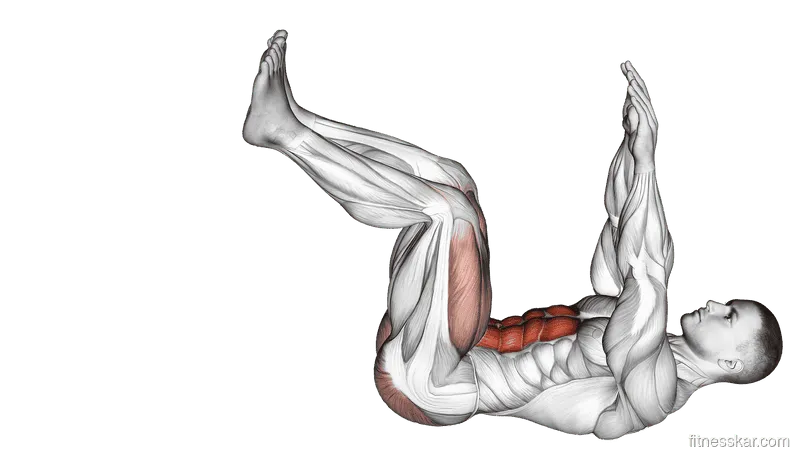
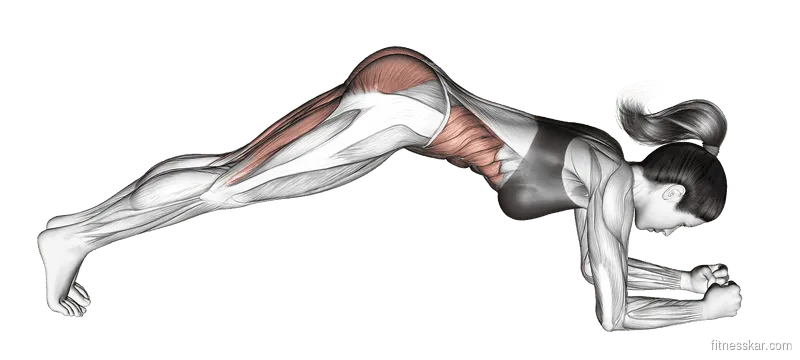
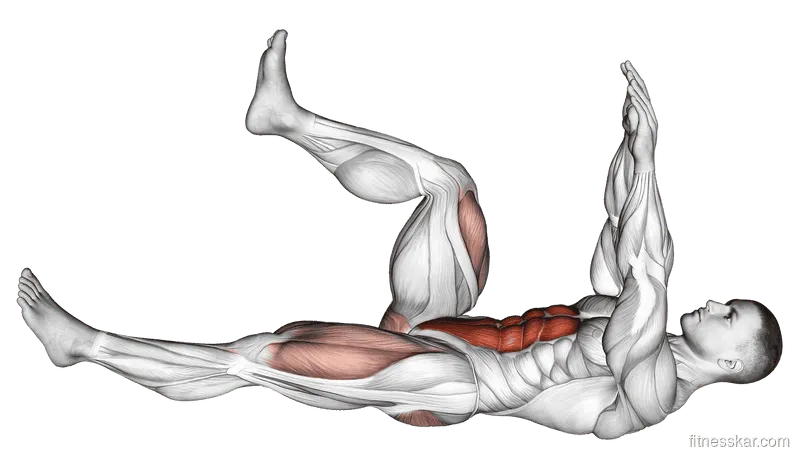
5 Dead Bug - Sets
- 2–3
- Reps
- 6–8
- Rest
- 45 s
Workout B
-
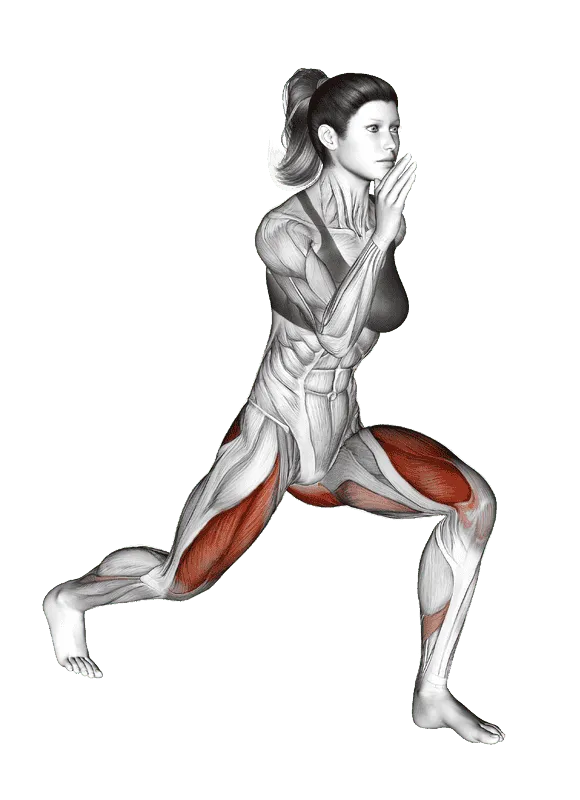
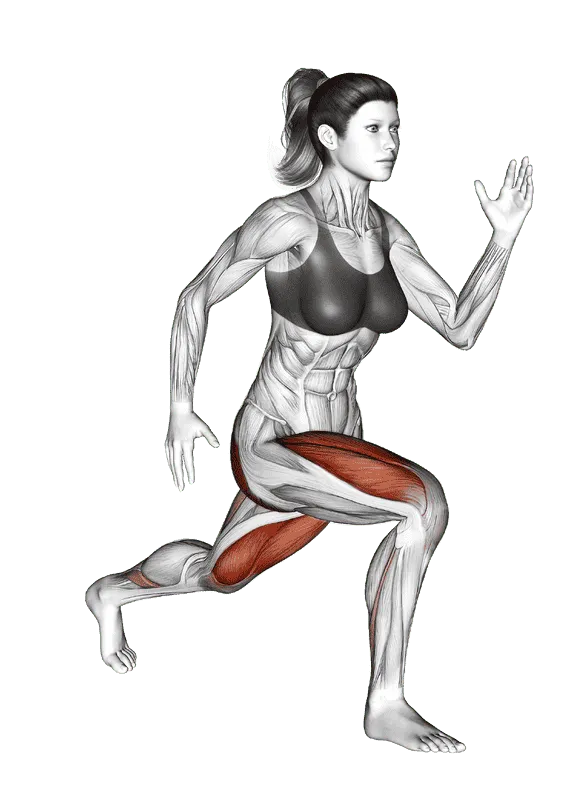
1 Split Squat - Sets
- 2–3
- Reps
- 8–10
- Rest
- 60 s
-
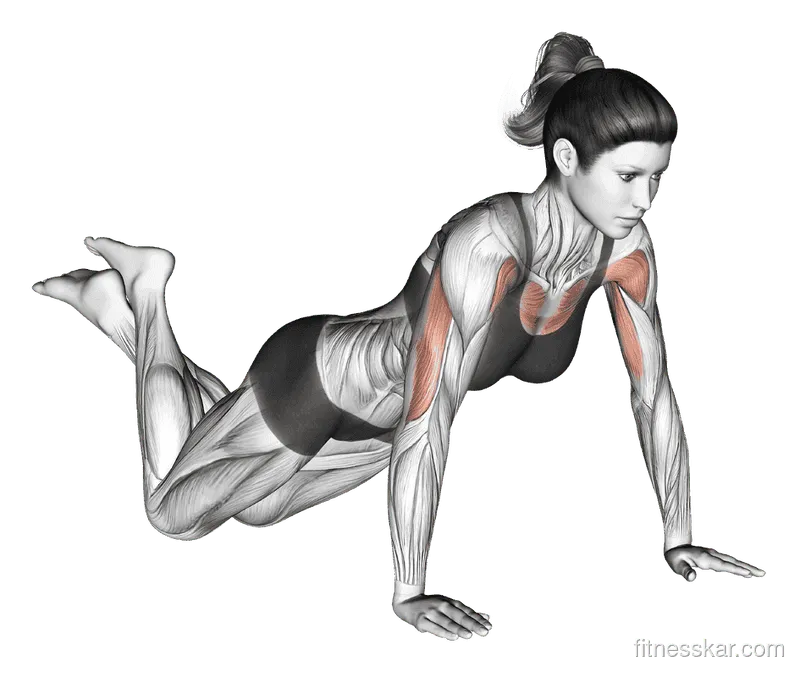
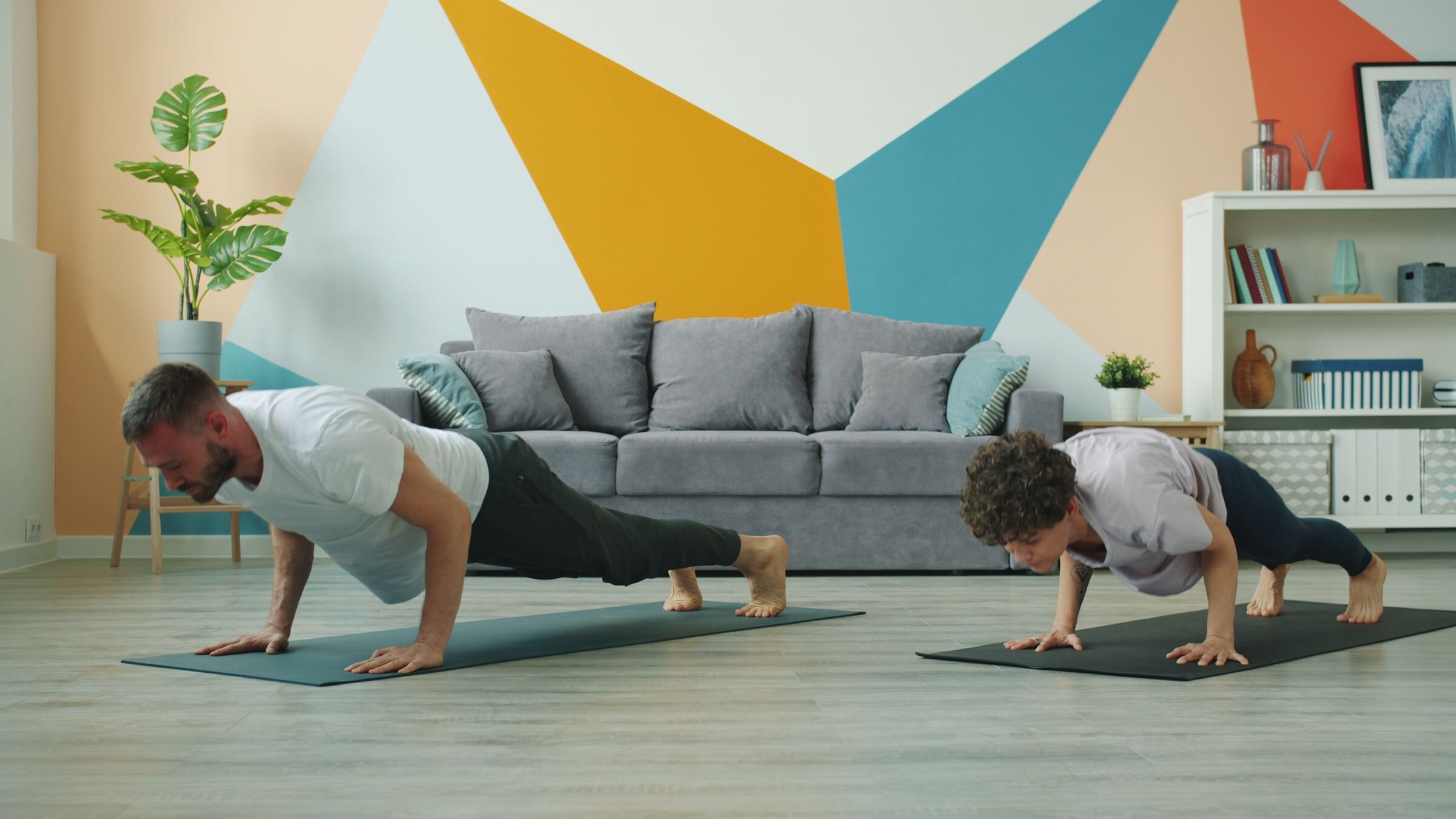
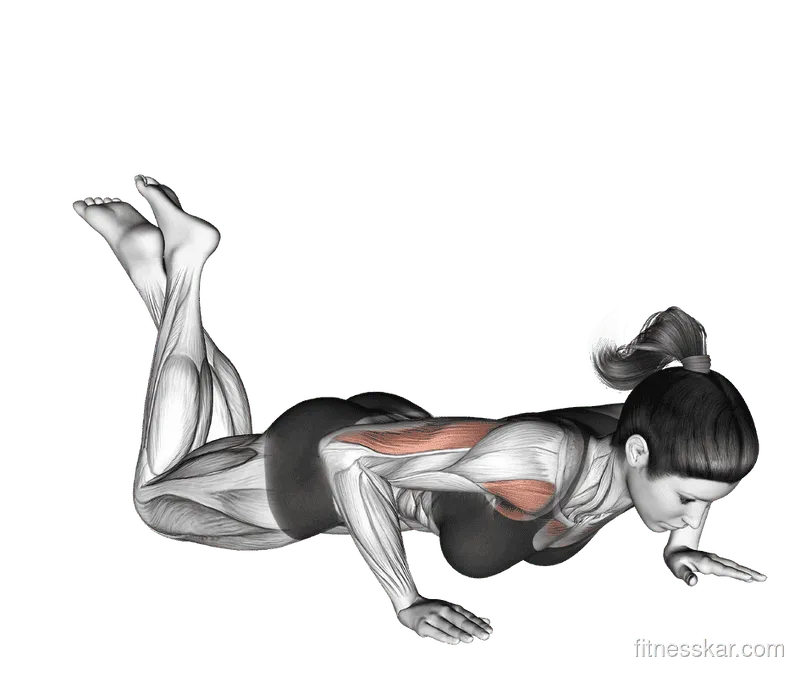
2 Push-up (on knees) - Sets
- 2–3
- Reps
- 6–12
- Rest
- 60 s
-
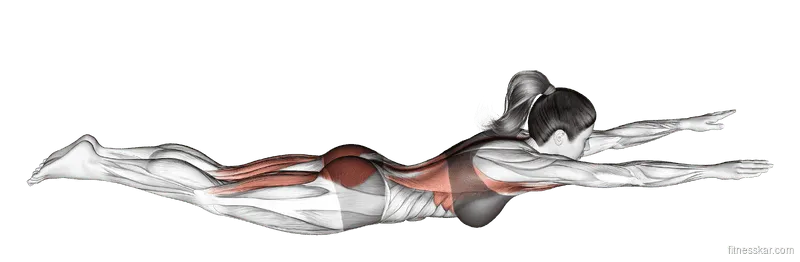
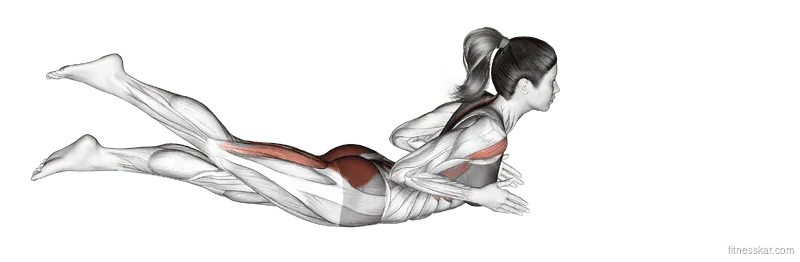
3 Superman Exercise - Sets
- 2–3
- Reps
- 8–12
- Rest
- 45 s
-
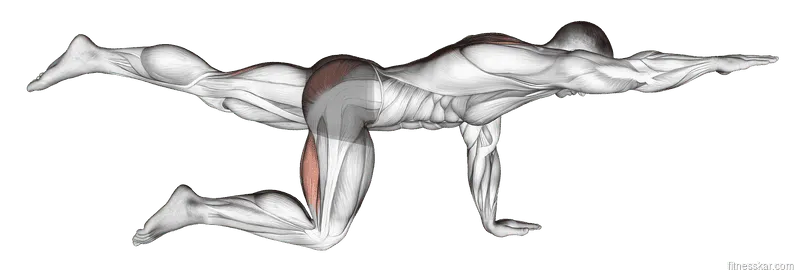
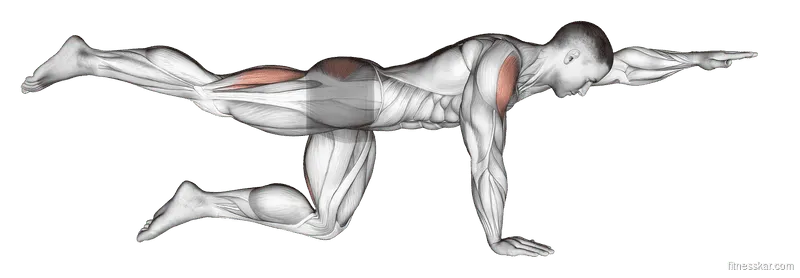
4 Bird Dog - Sets
- 2–3
- Reps
- 6–8
- Rest
- 45 s
-
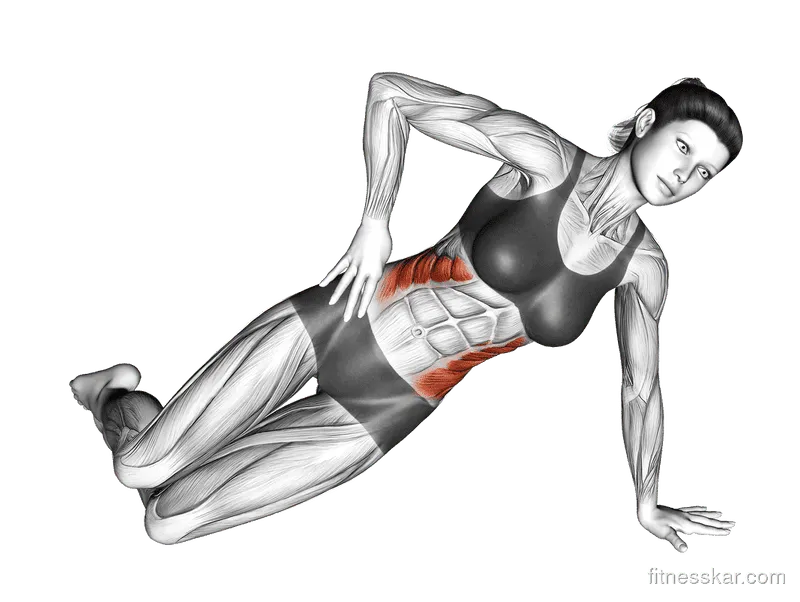
5 Bent Knee Side Plank - Sets
- 2–3
- Rest
- 45 s
- Duration
- 15–30 sec
Each workout takes about 20 minutes in weeks one and two, and 25 to 30 minutes once you do three sets.
After week four
Retest your three numbers and compare them with week one. Seeing your own progress in writing is one of the best reasons to keep going.
From here, keep making the exercises a little harder. The same ACSM guidance advises increasing the challenge once you can do one or two reps more than your target. At home that means moving to a harder version: lower the incline of your push-ups until you reach the floor, progress from split squats to reverse lunges, and from glute bridges to single-leg bridges. Our guide to the best bodyweight exercises shows the next step for every movement, and our full-body home workout with no equipment is a natural next workout.
Make it a habit
In a 12-week study of new gym members, people needed to exercise at least four times a week for about six weeks before it became a habit. Consistency, keeping the exercise simple, a supportive environment and enjoying the sessions all predicted who built the habit.[6] With three strength sessions and three to five walks a week, this plan clears that bar from week two onward. These tips help you get through the first six weeks:
- Fix the time. Train at the same time on the same days, for example straight after work, and put it in your calendar.
- Keep it simple. Stick with the same two workouts for the full four weeks. Simplicity is a feature, not a flaw.
- Set up your space. Leave your mat and towel where you can see them, so starting takes seconds.
- Make it enjoyable. Play music or a podcast, or train with a partner or family member.
- Track every session. Tick it off on a calendar or log it in the app. A visible streak is motivating.
- Never miss twice. If you skip a session, do the next one as planned rather than trying to make it up.
Programs to follow next
When the four weeks are done, a structured program keeps you progressing. These two free home programs are good next steps:
Not sure which to choose? Our dumbbell-only workout guide explains what a pair of dumbbells adds.
FAQ
Frequently asked questions
How long should a beginner home workout be?
Around 20 to 30 minutes is plenty. In this plan, each strength workout takes about 20 minutes in the first two weeks and 25 to 30 minutes later, plus your warm-up.
How soon will I see results?
Most people feel fitter and do more reps within the first few weeks. Visible changes in your body take longer, usually a few months of regular training combined with good eating habits.
Should I do cardio as well?
Yes. The walks in this plan are your cardio. Guidelines recommend at least 150 minutes of moderate activity a week, and this plan builds up to that by week four.
What if I am sore after a workout?
Some muscle soreness in the first week or two is normal and fades as your body adapts. Light walking helps. Sharp pain, joint pain or pain that gets worse is different: stop that exercise and have it checked by a doctor or physiotherapist.
Do I need to buy equipment?
No. This plan only needs a chair, a towel and some floor space. Later, a pair of adjustable dumbbells or a set of resistance bands gives you more ways to progress.
Sources
- Riebe D, Franklin BA, Thompson PD, et al. Updating ACSM's recommendations for exercise preparticipation health screening. Medicine & Science in Sports & Exercise. 2015. pubmed.ncbi.nlm.nih.gov/26473759/ ↩
- Bull FC, Al-Ansari SS, Biddle S, et al. World Health Organization 2020 guidelines on physical activity and sedentary behaviour. British Journal of Sports Medicine. 2020. pubmed.ncbi.nlm.nih.gov/33239350/ ↩
- Centers for Disease Control and Prevention. Adult activity: an overview. CDC. 2023. cdc.gov/physical-activity-basics/guidelines/adults.html ↩
- American College of Sports Medicine. American College of Sports Medicine position stand. Progression models in resistance training for healthy adults. Medicine & Science in Sports & Exercise. 2009. pubmed.ncbi.nlm.nih.gov/19204579/ ↩
- Fradkin AJ, Zazryn TR, Smoliga JM. Effects of warming-up on physical performance: a systematic review with meta-analysis. Journal of Strength and Conditioning Research. 2010. pubmed.ncbi.nlm.nih.gov/19996770/ ↩
- Kaushal N, Rhodes RE. Exercise habit formation in new gym members: a longitudinal study. Journal of Behavioral Medicine. 2015. pubmed.ncbi.nlm.nih.gov/25851609/ ↩