Walk into any gym and you'll hear both sides: "Cardio is how you burn fat" and "Lifting burns more in the long run." Both camps are partly right, and the research is clear enough to settle the argument.
The short answer: minute for minute, cardio burns more calories and, in a long head-to-head trial, took off more fat. Weight training does something cardio can't: it keeps and builds muscle, so more of the weight you lose is fat. For most people the best plan uses both, on top of a sensible calorie deficit.
Calories burned: cardio wins per minute
The Compendium of Physical Activities lists the energy cost of more than a thousand activities in METs (multiples of your resting metabolism).[1] Multiply METs by your weight in kg and the hours you spend, and you get a rough calorie estimate. Here is what 30 minutes looks like for a 70 kg (154 lb) person:
| Activity (30 minutes) | METs | Approx. calories |
|---|---|---|
| Brisk walking, 3.5–3.9 mph (5.6–6.3 km/h) | 4.8 | 170 |
| Stationary cycling, general | 6.8 | 240 |
| Rowing machine, vigorous | 7.3 | 255 |
| Running, 6 mph (9.7 km/h) | 9.3 | 325 |
| Weight training, several exercises, 8–15 reps | 3.5 | 120 |
| Weight training, vigorous (powerlifting or bodybuilding style) | 6.0 | 210 |
| Circuit training with kettlebells, minimal rest | 7.5 | 260 |
Two things stand out. First, a typical lifting session burns far less than steady cardio, partly because much of it is rest between sets. Second, all of these numbers include the roughly 35 calories your body burns at rest in 30 minutes anyway, so the extra burn is a little smaller than it looks.
Put that in perspective: three 30-minute runs a week add roughly 3 × (325 − 35) ≈ 870 calories, or about 125 a day. That helps, but on its own it is a modest deficit. Your diet does most of the fat-loss work; exercise decides how much of the weight you lose is fat and how fit you are at the end.
What the long-term trials show
The best head-to-head test is STRRIDE AT/RT, a randomized trial of 119 sedentary adults with overweight or obesity. They spent eight months doing aerobic training, resistance training or both.[2]
- Aerobic and combined training reduced body weight and fat mass more than resistance training alone.
- Resistance and combined training increased lean body mass more than aerobic training alone.
- Combined training took twice the time but did not remove significantly more fat than aerobic training alone.
Weighing time against benefits, the authors concluded that aerobic training is the better choice for reducing fat mass and body weight, while a program that includes resistance training is needed to increase lean mass. In other words, cardio moves the scale and lifting shapes what is left.
Weights still burn fat
Lifting is not useless for fat loss. A 2022 meta-analysis of 58 randomized trials (54 with data for analysis) compared full-body resistance training with no exercise in healthy adults. Lifting on its own reduced body fat percentage by about 1.5 points, fat mass by about 0.55 kg and visceral fat, the deeper fat around your organs.[3]
Those are modest numbers, which matches what the trials above found. Weights reshape your body composition steadily. They just don't create a big calorie deficit on their own.
The muscle-and-metabolism myth
You may have heard that each pound of muscle burns 50 calories a day, so building muscle will melt fat while you sleep. Measurements of organ and tissue metabolism tell a different story: resting skeletal muscle uses about 13 kcal per kg per day, compared with about 4.5 kcal for fat tissue.[4]
So adding 2 kg of muscle raises your resting burn by about 26 kcal a day, less than a teaspoon of oil. Muscle is valuable for strength, health and how you look once the fat comes off, not as a metabolic shortcut. The same goes for the famous "afterburn"; we cover that in HIIT vs. steady-state cardio.
Where weights win: keeping muscle while you diet
The real advantage of lifting shows up when you are in a calorie deficit. In a trial published in the New England Journal of Medicine, 160 older adults with obesity were randomly assigned to a weight-loss program plus aerobic training, resistance training or both, or to a control group with no diet or exercise program, for six months.[5]
- Body weight fell by about 9% in all three exercise groups.
- Lean mass dropped by 5% with aerobic training alone, but only 2–3% with resistance or combined training.
- The combined group improved physical function the most.
The participants were older, but the lesson travels: when you diet, lifting is what keeps your muscle. For the details, read how to lose fat without losing muscle.
What the guidelines say
- ACSM: 150–250 minutes a week of moderate activity produces only modest weight loss; more than 250 minutes a week is associated with clinically significant weight loss. Resistance training doesn't boost weight loss by itself but may increase fat-free mass and fat loss.[6]
- WHO: adults should get 150–300 minutes of moderate or 75–150 minutes of vigorous aerobic activity a week, plus muscle-strengthening activity for all major muscle groups on two or more days a week.[7]
How to combine cardio and weights
Use weights to protect muscle and cardio to add to your deficit. How you split the time depends on how much you have:
| Weekly time | Weight training | Cardio |
|---|---|---|
| 2–3 hours | 2 full-body sessions | 2 sessions of 20–30 minutes |
| 4–5 hours | 3 full-body sessions | 2–3 sessions of 30–40 minutes |
| 6+ hours | 3–4 sessions | 3–4 sessions, one of them intervals |
On top of that, walk every day. A typical 4–5 hour week looks like this:
| Day | Session |
|---|---|
| Monday | Full-body strength, about 50 minutes |
| Tuesday | Steady cardio, 30–40 minutes |
| Wednesday | Full-body strength |
| Thursday | Rest or an easy walk |
| Friday | Full-body strength |
| Saturday | Cardio, 30–40 minutes steady or a short interval session |
| Sunday | A long walk |
For the full version with sets, reps and cardio sessions, see the best workout plan for fat loss.
A full-body strength session
-
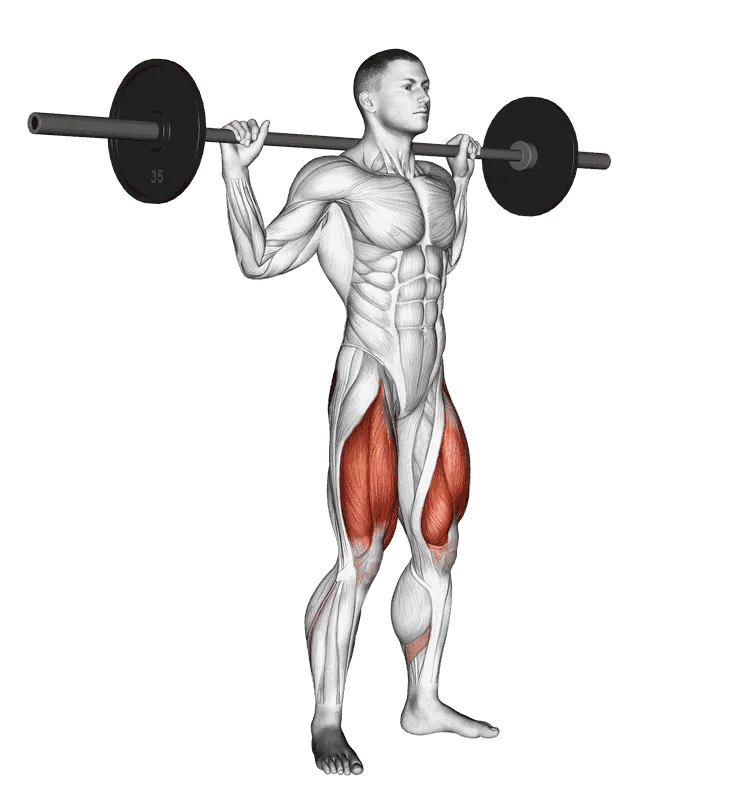
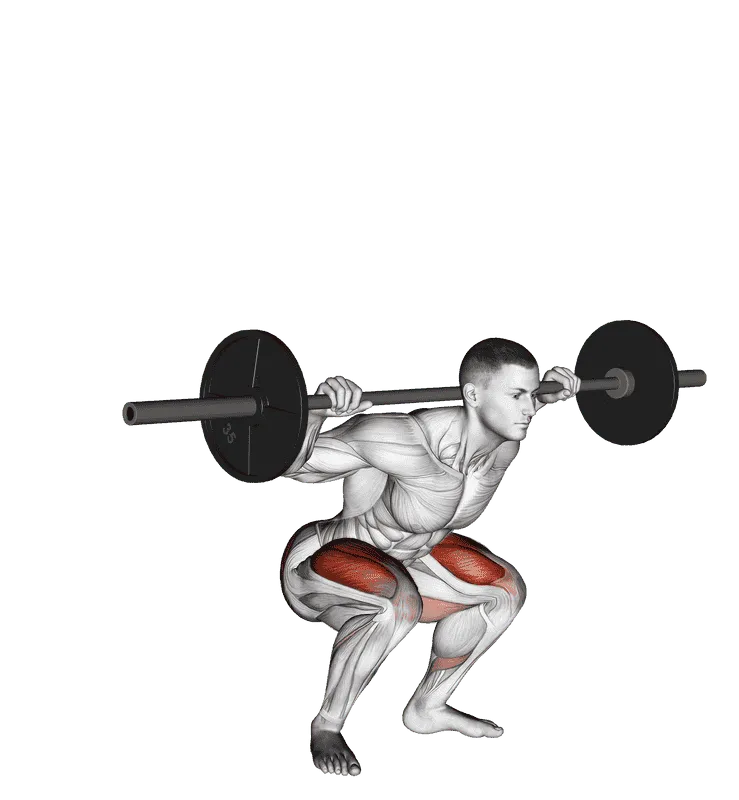
1 Barbell Full Squat - Sets
- 3
- Reps
- 6–8
- Rest
- 150 s
-
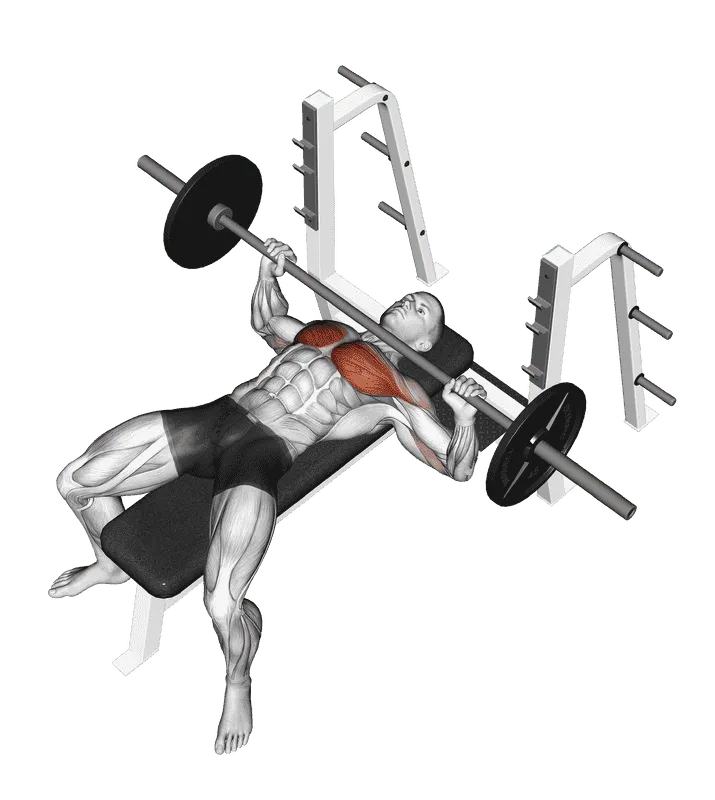
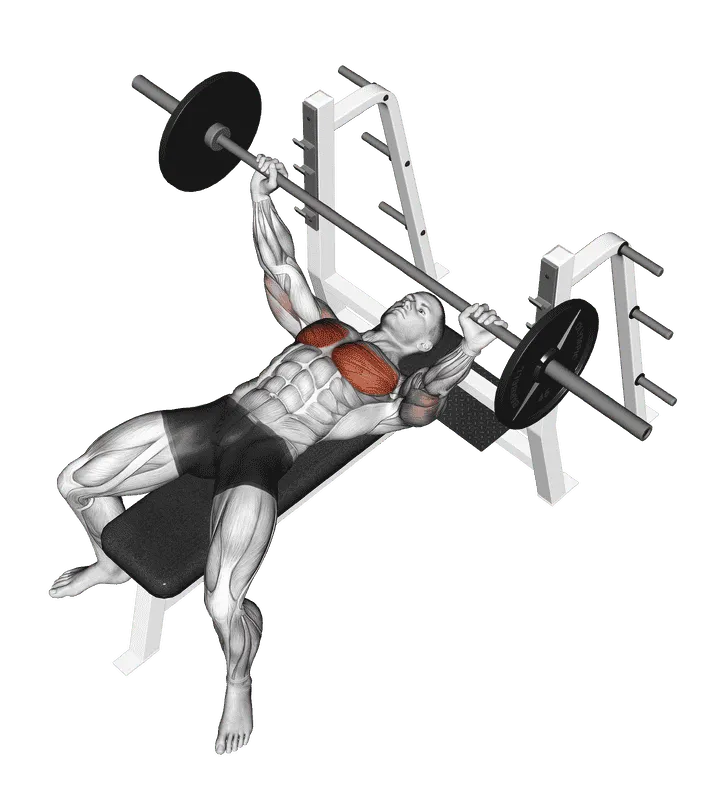
2 Barbell Bench Press - Sets
- 3
- Reps
- 6–8
- Rest
- 150 s
-
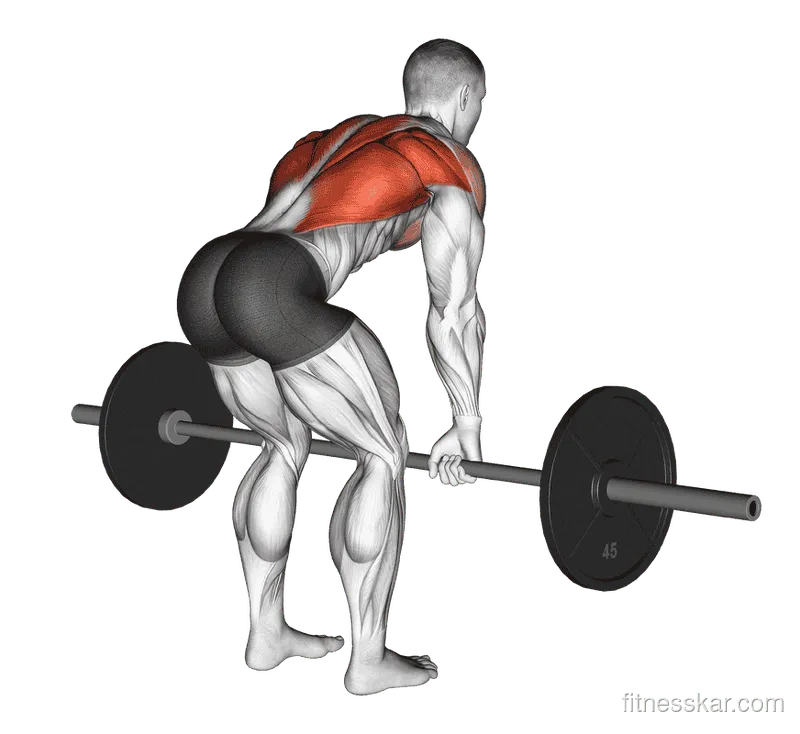
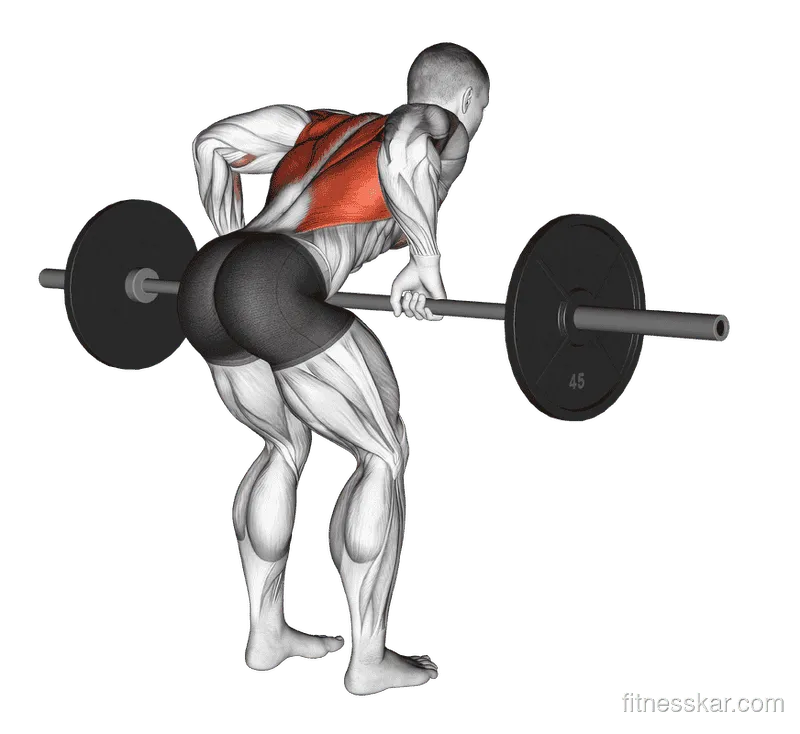
3 Barbell Bent-Over Row - Sets
- 3
- Reps
- 8–10
- Rest
- 120 s
-
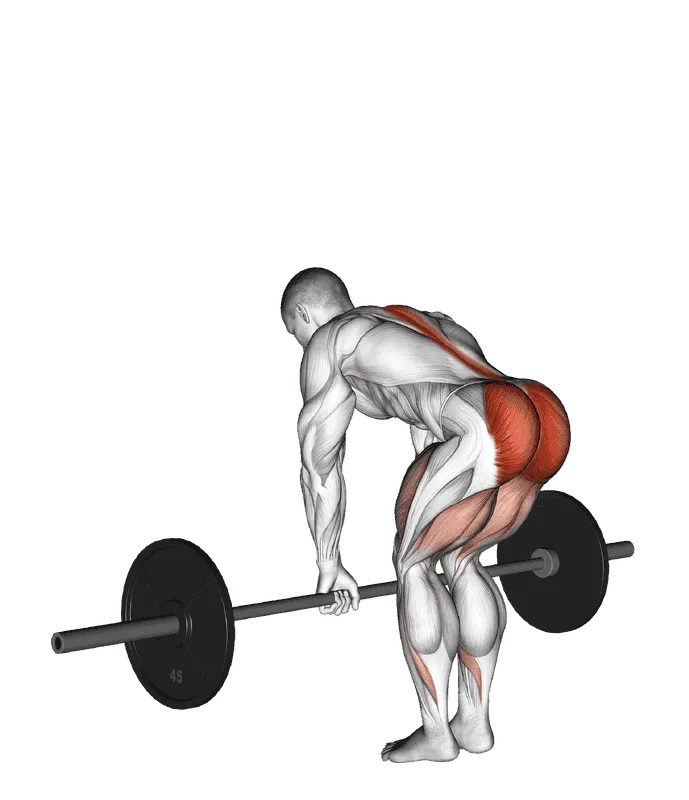
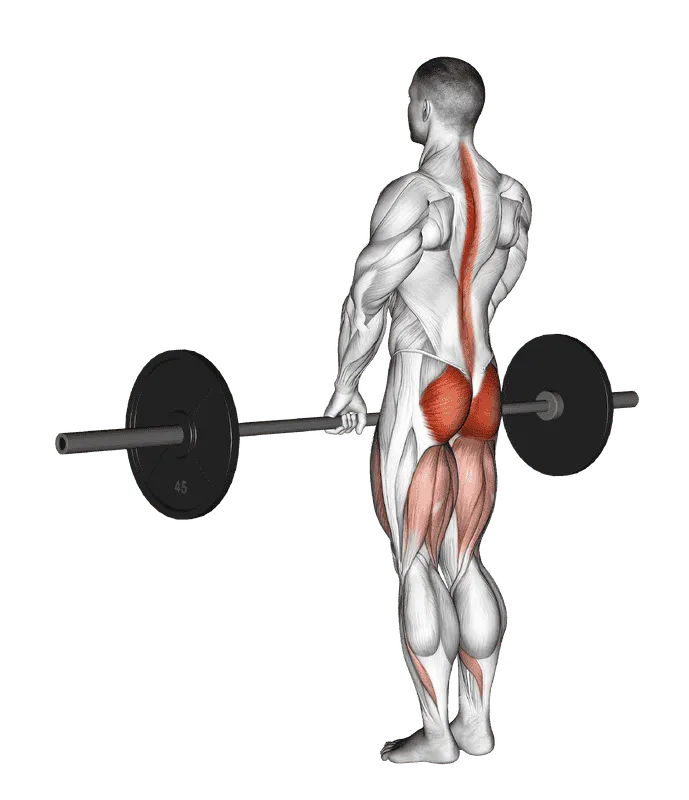
4 Barbell Romanian Deadlift - Sets
- 3
- Reps
- 8–10
- Rest
- 120 s
-
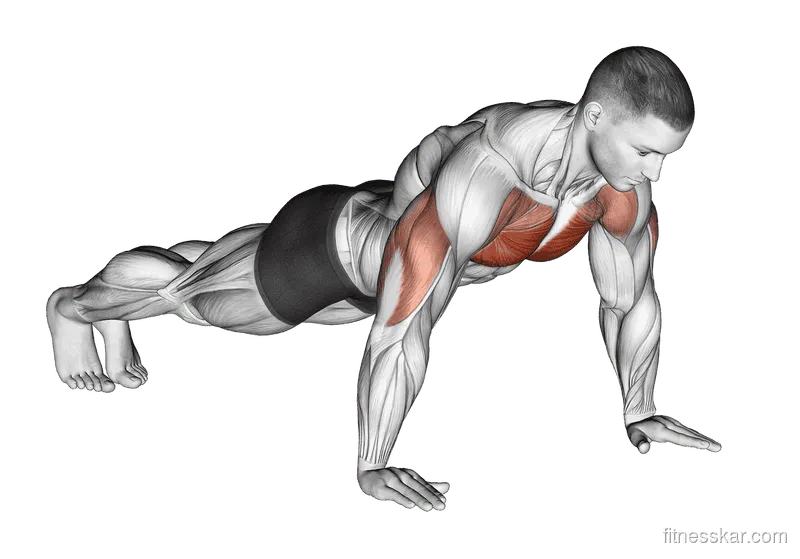
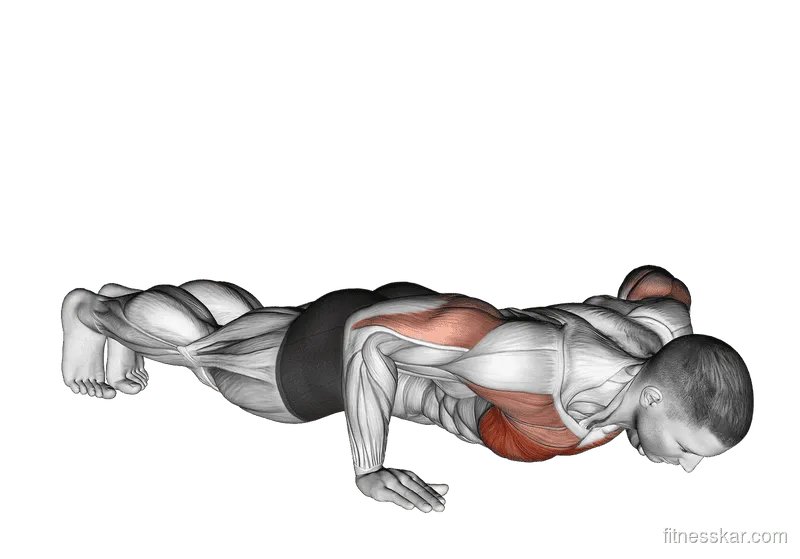
5 Push-Up - Sets
- 2
- Reps
- 10–15
- Rest
- 60 s
Cardio options
-
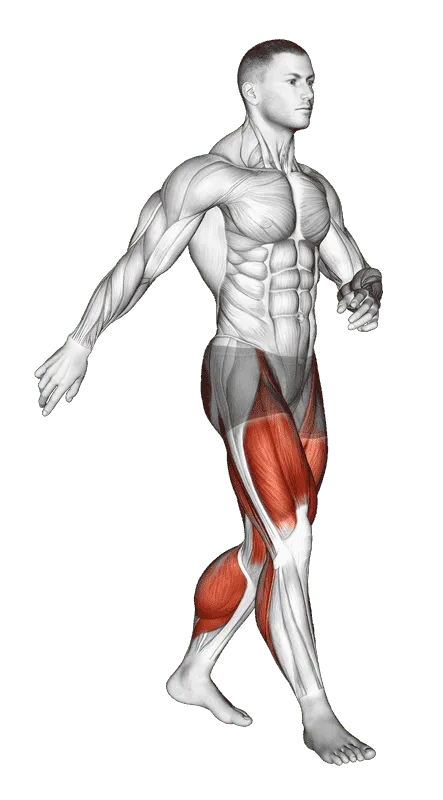
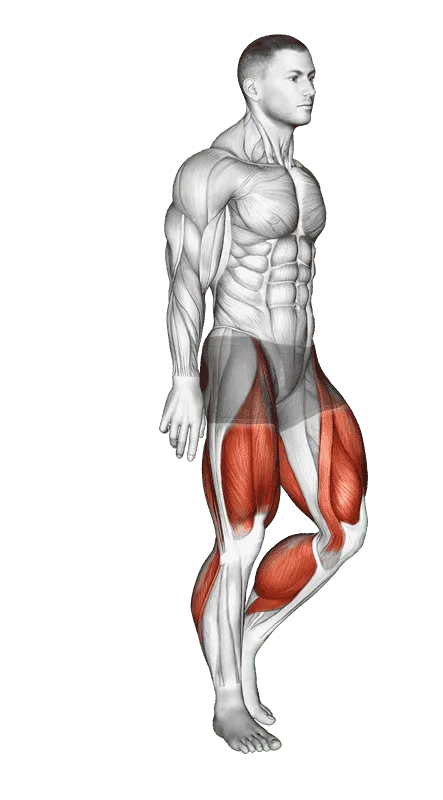
1 Walking - Duration
- 30–45 min
-
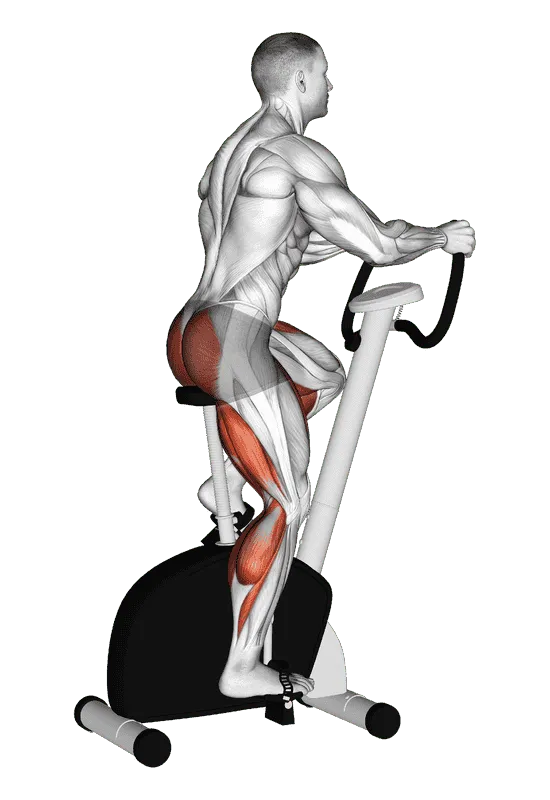
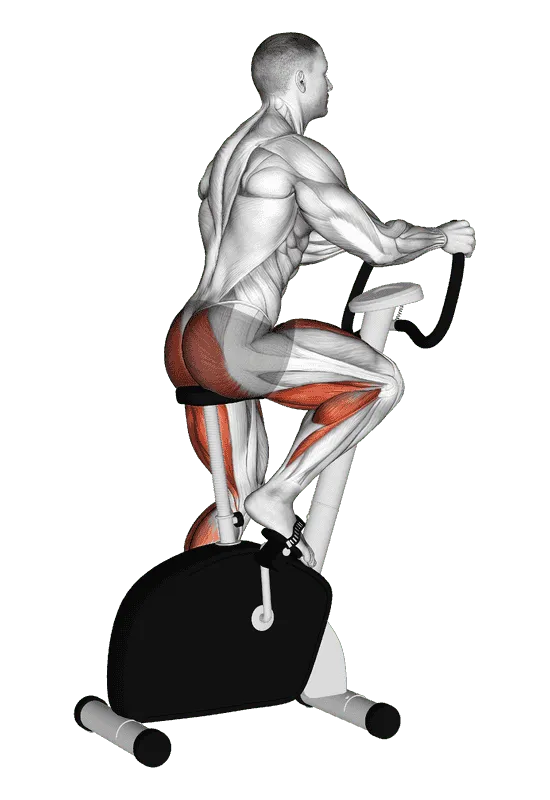
2 Stationary Bike - Duration
- 30–40 min
-

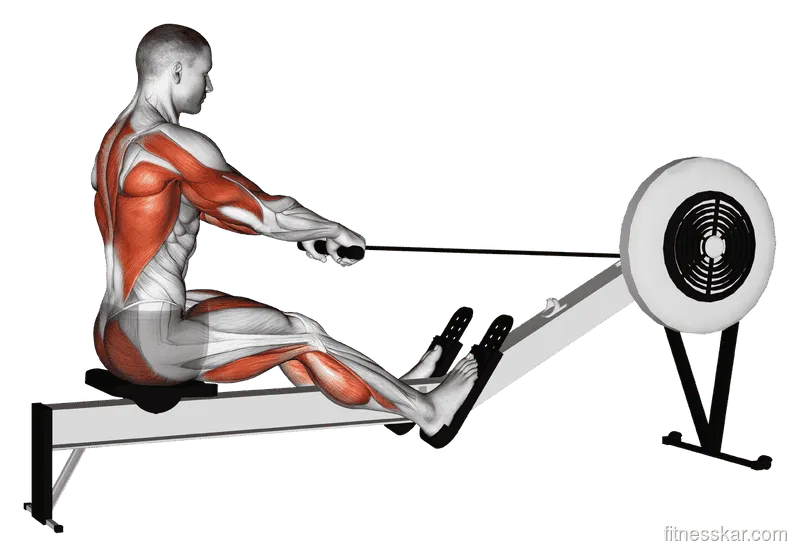
3 Rowing (with rowing machine) - Duration
- 20–30 min
-
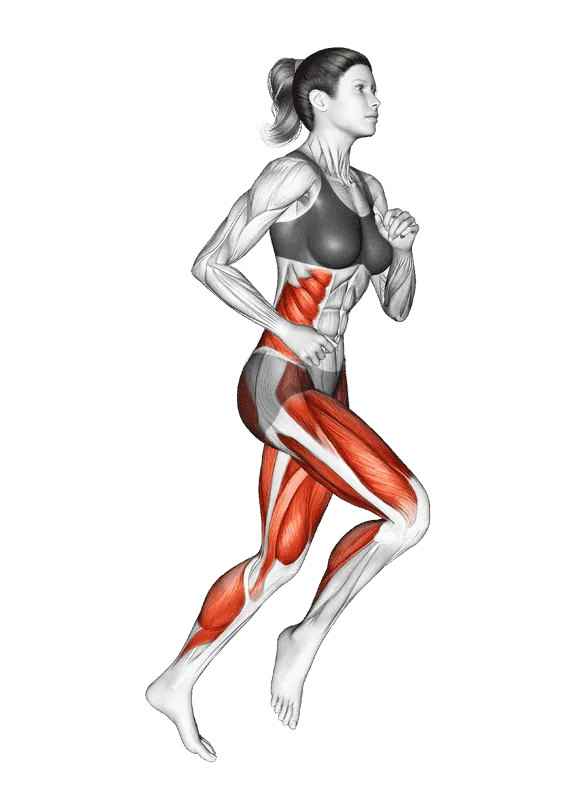
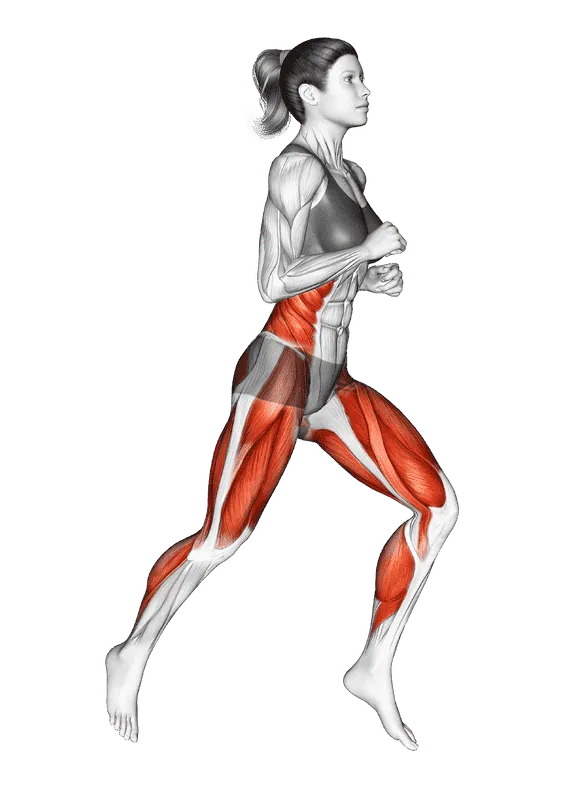
4 Running - Duration
- 20–30 min
If you do both in the same session, lift first so you start your heavy sets fresh.
Which should you prioritize?
- You're new to exercise: start with walking and two short full-body strength sessions a week. Both are easy to recover from, and the habit matters more than the details.
- You have a lot of weight to lose: low-impact cardio such as walking, cycling, the elliptical or the rowing machine lets you build up minutes without pounding your joints. Keep at least two strength sessions to protect your muscle.
- You already lift: keep your training as it is and add cardio sessions and daily walks, rather than turning your weight sessions into cardio.
- You're over 60: do both. In the diet trial above, the resistance and combined groups lost less lean mass and hip bone density than the aerobic-only group, and the combination improved physical function the most.
- You're short on time: combine them in one session. Lift first, then finish with 15–20 minutes of cardio.
Mistakes to avoid
- Only doing cardio while you diet. It works for the scale, but in the trial above it cost more lean mass (5% vs. 2–3%).
- Turning weight sessions into cardio. Very short rests and light weights make lifting feel harder but weaken the signal that keeps muscle.
- Eating back your exercise. A 30-minute run burns about 325 calories for a 70 kg person, and it takes only a few minutes to eat that much, so rewarding every workout with food can quietly erase the deficit.
- Forgetting everyday movement. Walking more on rest days adds up over a week and is easy to recover from.
Frequently asked questions
Is cardio or weights better for losing weight?
For pure weight loss, cardio burns more calories per minute and removed more fat in a head-to-head trial. For body composition, weights win because they protect and build muscle. Doing both is best.
Can I lose fat with weights only?
Yes, if your diet creates a calorie deficit. Lifting alone lowers body fat modestly, and it makes sure more of the weight you lose comes from fat.
Will lifting weights make me bulky while I'm trying to lose fat?
Very unlikely. In a calorie deficit, lifting mainly helps you keep the muscle you already have, as the diet trial above showed.
How much cardio should I do per week to lose fat?
Guidelines point to 150–300 minutes of moderate activity a week, and more than 250 minutes is linked with clinically significant weight loss. Brisk daily walks count toward that total.
Sources
- Herrmann SD, Willis EA, Ainsworth BE, et al. 2024 Adult Compendium of Physical Activities: a third update of the energy costs of human activities. Journal of Sport and Health Science. 2024. pacompendium.com/ ↩
- Willis LH, Slentz CA, Bateman LA, et al. Effects of aerobic and/or resistance training on body mass and fat mass in overweight or obese adults. Journal of Applied Physiology. 2012. pubmed.ncbi.nlm.nih.gov/23019316/ ↩
- Wewege MA, Desai I, Honey C, et al. The effect of resistance training in healthy adults on body fat percentage, fat mass and visceral fat: a systematic review and meta-analysis. Sports Medicine. 2022. pubmed.ncbi.nlm.nih.gov/34536199/ ↩
- Wang Z, Ying Z, Bosy-Westphal A, et al. Specific metabolic rates of major organs and tissues across adulthood: evaluation by mechanistic model of resting energy expenditure. American Journal of Clinical Nutrition. 2010. pubmed.ncbi.nlm.nih.gov/20962155/ ↩
- Villareal DT, Aguirre L, Gurney AB, et al. Aerobic or resistance exercise, or both, in dieting obese older adults. New England Journal of Medicine. 2017. pubmed.ncbi.nlm.nih.gov/28514618/ ↩
- Donnelly JE, Blair SN, Jakicic JM, et al. American College of Sports Medicine position stand: appropriate physical activity intervention strategies for weight loss and prevention of weight regain for adults. Medicine & Science in Sports & Exercise. 2009. pubmed.ncbi.nlm.nih.gov/19127177/ ↩
- Bull FC, Al-Ansari SS, Biddle S, et al. World Health Organization 2020 guidelines on physical activity and sedentary behaviour. British Journal of Sports Medicine. 2020. pubmed.ncbi.nlm.nih.gov/33239350/ ↩