Bulking means eating in a sustained calorie surplus to build muscle. Cutting means eating in a sustained deficit to lose fat while keeping the muscle you have. The ISSN's position stand on diets and body composition describes exactly this: fat loss is driven by a sustained calorie deficit, and gaining lean mass is driven by a sustained surplus together with increasingly demanding training.[1] There is also a third option, recomposition, where you lose fat and gain muscle at roughly maintenance calories.
Picking the wrong phase first is one of the easiest ways to waste months. Here is how to choose, and how to run each phase well.
Start with where you are
The body-fat ranges below are rules of thumb that coaches use, not cut-offs from research. Every way of measuring body composition, from bathroom scales to calipers and lab scans, has strengths and limitations,[1] so use these numbers alongside the mirror and your waist measurement.
| Your starting point | Usually best first | Why |
|---|---|---|
| Men above about 20% body fat, women above about 30% | Cut | More fat to lose, and you can diet a little more aggressively while keeping muscle |
| Men below about 15% body fat, women below about 25% | Lean bulk | Little fat to lose, and a small surplus supports growth |
| In between | Your choice, or recomp | Either direction works; pick the one you'll stick with |
| New to lifting, any body fat | Recomp or a small surplus | Beginners often gain muscle while losing fat |
The ISSN supports the logic behind the first row: the higher your starting body fat, the more aggressive your deficit can be, while leaner people keep more muscle by losing weight slowly.[1]
A quick example
Take Sam, who weighs 80 kg, is at roughly 22% body fat and has lifted for a year. The table points to a cut. At 0.5–1% of body weight per week, he would lose about 0.4–0.8 kg a week, so dropping 6 kg would take roughly 8–15 weeks. If most of that loss is fat, he would finish at around 16% body fat, a good place to start a lean bulk.
How to bulk without getting fat
Keep the surplus small
Off-season bodybuilding guidelines recommend eating about 10–20% above maintenance and aiming to gain about 0.25–0.5% of body weight per week as a beginner or intermediate lifter. Advanced lifters should be even more conservative.[2] For a 75 kg lifter, that is about 0.2–0.4 kg a week, or roughly 0.8–1.6 kg a month.
Bigger is not better. In an eight-week trial in trained lifters, a surplus of about 15% did not produce clearly more muscle than a 5% surplus or eating at maintenance, and the authors concluded that faster weight gain mainly increases fat gain.[3] In a study of elite athletes, those following a planned surplus gained more weight and more fat than athletes eating as they pleased, but no more lean mass.[4]
Keep protein and training high
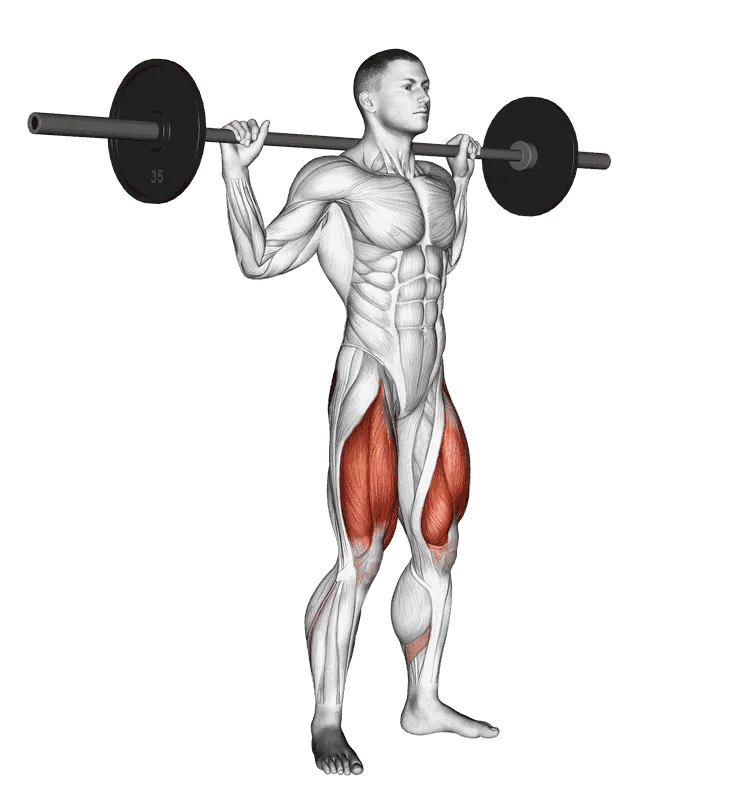
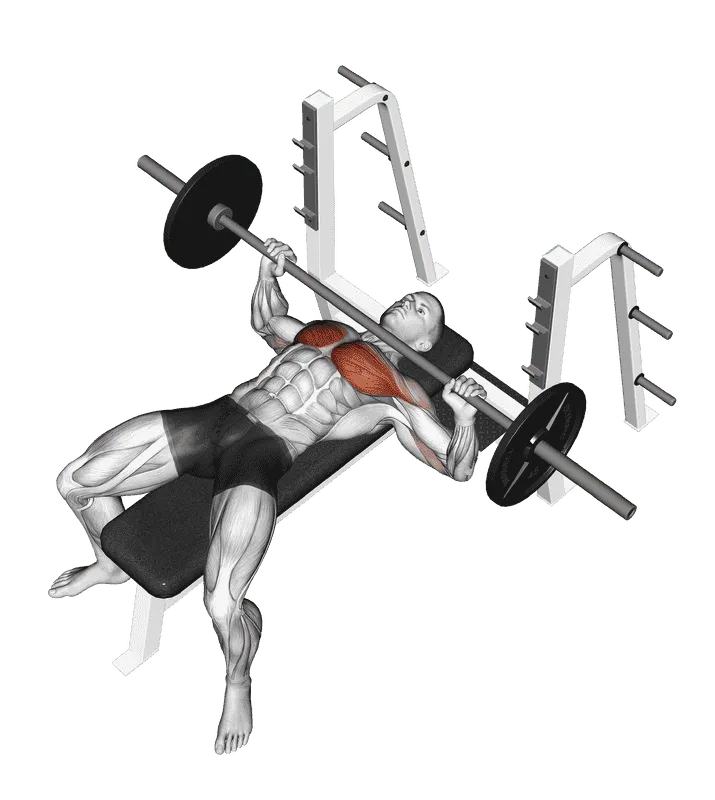
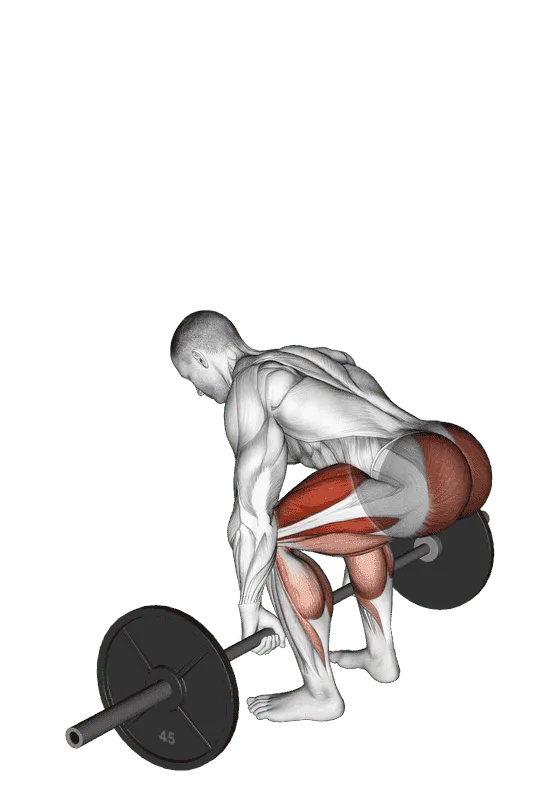
Eat 1.6–2.2 g of protein per kg of body weight per day, spread over three to six meals.[2] Track your strength on key lifts such as the barbell squat, bench press and deadlift. If your weight is climbing but your lifts are not, the extra food is going to fat rather than muscle.
How long to bulk
There is no fixed length. Keep going while your lifts climb and your waist grows slowly. Stop when you reach the top of the body-fat range you're comfortable with, then take a few weeks at maintenance or start a cut.
How to cut without losing muscle
Pick a steady pace
Aim to lose about 0.5–1% of body weight per week; evidence-based guidelines for natural bodybuilders recommend this rate to keep as much muscle as possible.[5] Slower is often better if you're already lean. In a study of elite athletes, those who lost about 0.7% of body weight per week gained lean mass while losing fat, while a group that dieted harder did not gain lean mass.[6] The ISSN also notes that slower weight loss better preserves lean mass in leaner people.[1]
Push protein higher
For lean, trained lifters in a deficit, guidelines recommend 2.3–3.1 g of protein per kg of lean body mass.[5] Keep training heavy on the same compound lifts. Your goal is to hold your strength while the scale drops.
How long to cut
Work out a timeline before you start by dividing the weight you want to lose by your weekly rate. Losing 6 kg at 0.5 kg a week takes about 12 weeks. A clear end date also makes the diet easier to plan around. When you finish, spend a couple of weeks at maintenance before you switch to a bulk.
Recomposition: the third option
Building muscle and losing fat at the same time is often dismissed as a beginner's trick. It is well recognized in beginners and people with more body fat, but a 2020 review found substantial evidence that it also happens in resistance-trained people, with progressive resistance training and evidence-based nutrition as the key drivers.[7]
To recomp, eat around maintenance, keep protein high (at least 1.6 g/kg, and up to about 2.2 g/kg), and add weight or reps to your lifts over time. Progress is slower than in a dedicated bulk or cut, and the scale may barely move, so judge it by your lifts, your waist measurement and progress photos.
Common mistakes
- Bulking too fast. A big surplus mostly adds fat, which you then have to diet off.
- Cutting too hard. Crash diets make it harder to hold on to muscle and strength, especially if you're already lean.
- Switching phases every few weeks. Water and glycogen swings can hide your real trend for a week or two, so give each phase time to work.
- Letting training slide during a cut. Keep the heavy compound lifts in your program; they are your best signal to keep muscle.
- Judging by the scale alone. Track your waist, photos and lifts as well, especially during a recomp.
Switching from a cut to a bulk
The end of a cut is a good moment to change your training too. Raise calories back to maintenance over a week or two, then add a small surplus, and put the focus back on heavy compound lifts and progressive overload.
To turn your chosen phase into daily numbers, use our guide on how to set your macros. For the protein side in more depth, see how much protein you need to build muscle.
Frequently asked questions
Frequently asked questions
How fast should I gain weight on a bulk?
About 0.25–0.5% of your body weight per week if you're a beginner or intermediate lifter, and less if you're advanced. For a 70 kg person, that is roughly 0.2–0.35 kg a week.
Will I lose muscle when I cut?
You can keep most or all of it if you cut at a moderate pace, keep protein high and keep lifting heavy. Slower cuts preserve more lean mass, especially if you're already lean.
What's wrong with a "dirty bulk"?
Eating everything in sight creates a large surplus, and bigger surpluses mainly add fat rather than extra muscle. You then need a longer cut to remove it.
Can I bulk and cut at the same time?
That is recomposition. It works best for beginners and people with more body fat, and trained lifters can also manage it by eating near maintenance with high protein and progressive training. Progress is slower than in a dedicated phase.
How do I know my body fat percentage?
Every method has some error, from bathroom scales to calipers and lab scans. Use one method consistently and combine it with your waist measurement, photos and strength trends.
Sources
- Aragon AA, Schoenfeld BJ, Wildman R, et al. International Society of Sports Nutrition position stand: diets and body composition. Journal of the International Society of Sports Nutrition. 2017. doi.org/10.1186/s12970-017-0174-y ↩
- Iraki J, Fitschen P, Espinar S, Helms E. Nutrition recommendations for bodybuilders in the off-season: a narrative review. Sports. 2019. doi.org/10.3390/sports7070154 ↩
- Helms ER, Spence AJ, Sousa C, et al. Effect of small and large energy surpluses on strength, muscle, and skinfold thickness in resistance-trained individuals: a parallel groups design. Sports Medicine - Open. 2023. doi.org/10.1186/s40798-023-00651-y ↩
- Garthe I, Raastad T, Refsnes PE, Sundgot-Borgen J. Effect of nutritional intervention on body composition and performance in elite athletes. European Journal of Sport Science. 2013. doi.org/10.1080/17461391.2011.643923 ↩
- Helms ER, Aragon AA, Fitschen PJ. Evidence-based recommendations for natural bodybuilding contest preparation: nutrition and supplementation. Journal of the International Society of Sports Nutrition. 2014. doi.org/10.1186/1550-2783-11-20 ↩
- Garthe I, Raastad T, Refsnes PE, et al. Effect of two different weight-loss rates on body composition and strength and power-related performance in elite athletes. International Journal of Sport Nutrition and Exercise Metabolism. 2011. doi.org/10.1123/ijsnem.21.2.97 ↩
- Barakat C, Pearson JR, Escalante G, Campbell B, De Souza EO. Body recomposition: can trained individuals build muscle and lose fat at the same time? Strength and Conditioning Journal. 2020. doi.org/10.1519/SSC.0000000000000584 ↩